FLOW & CONSTRAINT
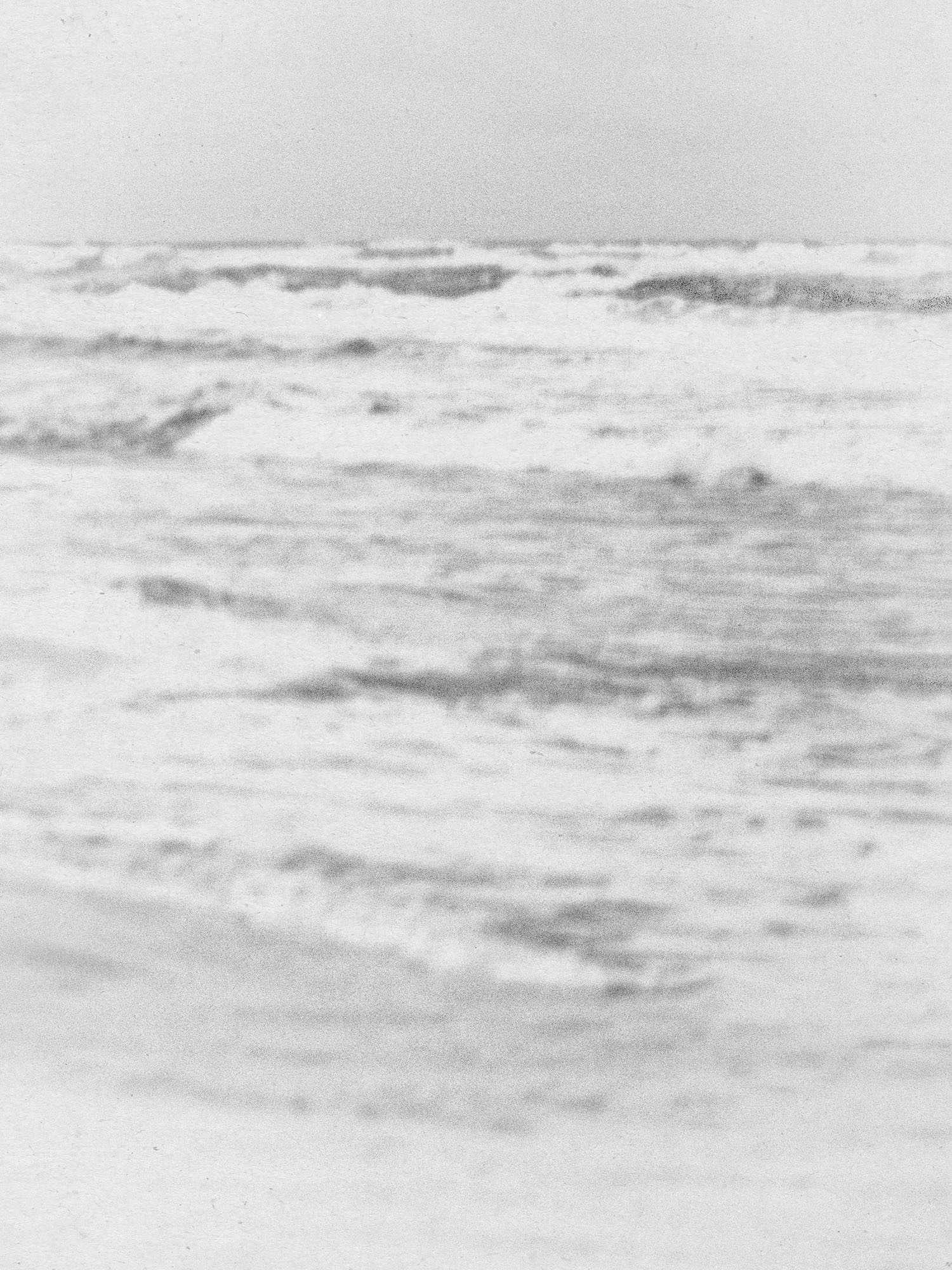
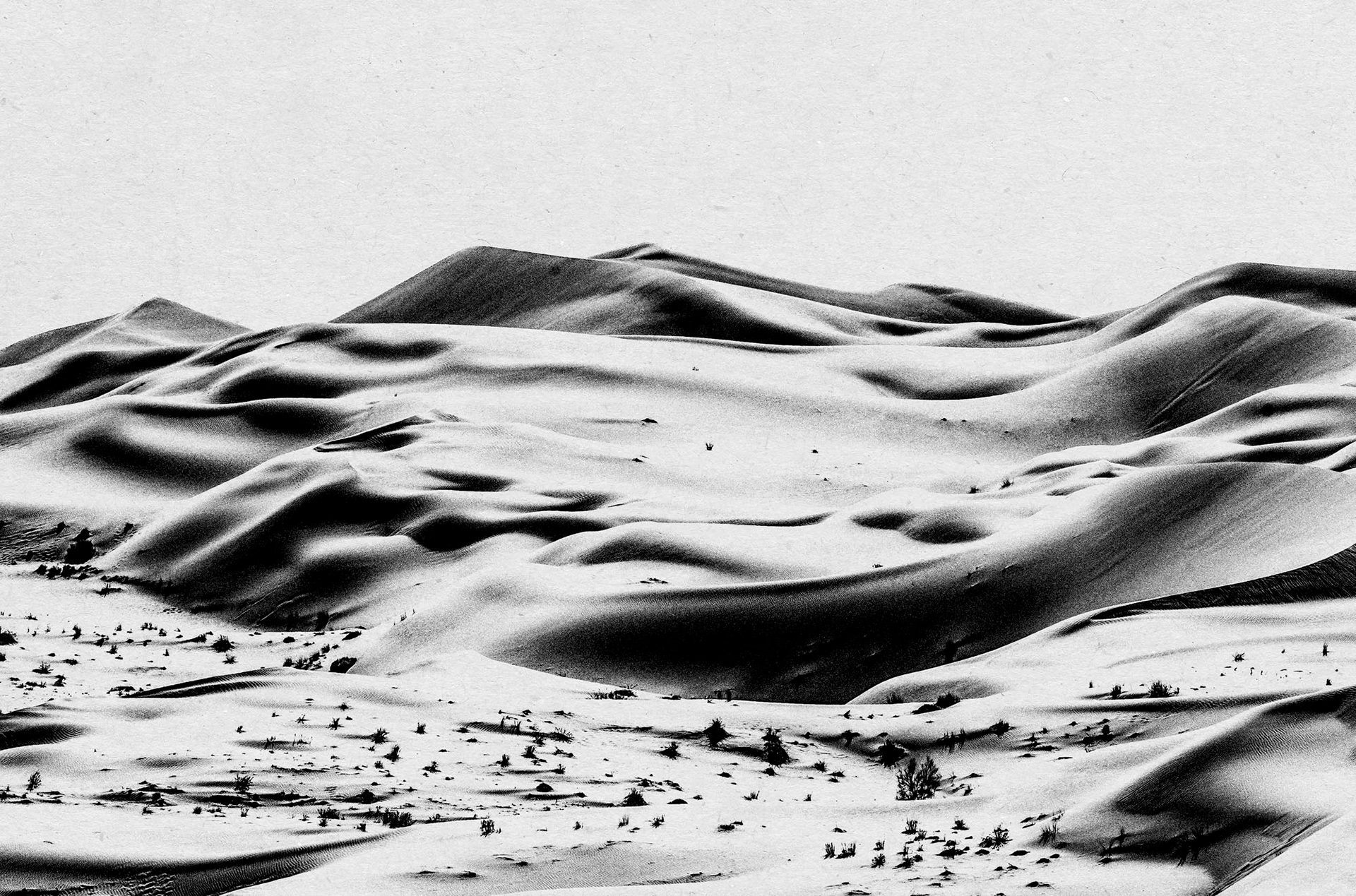
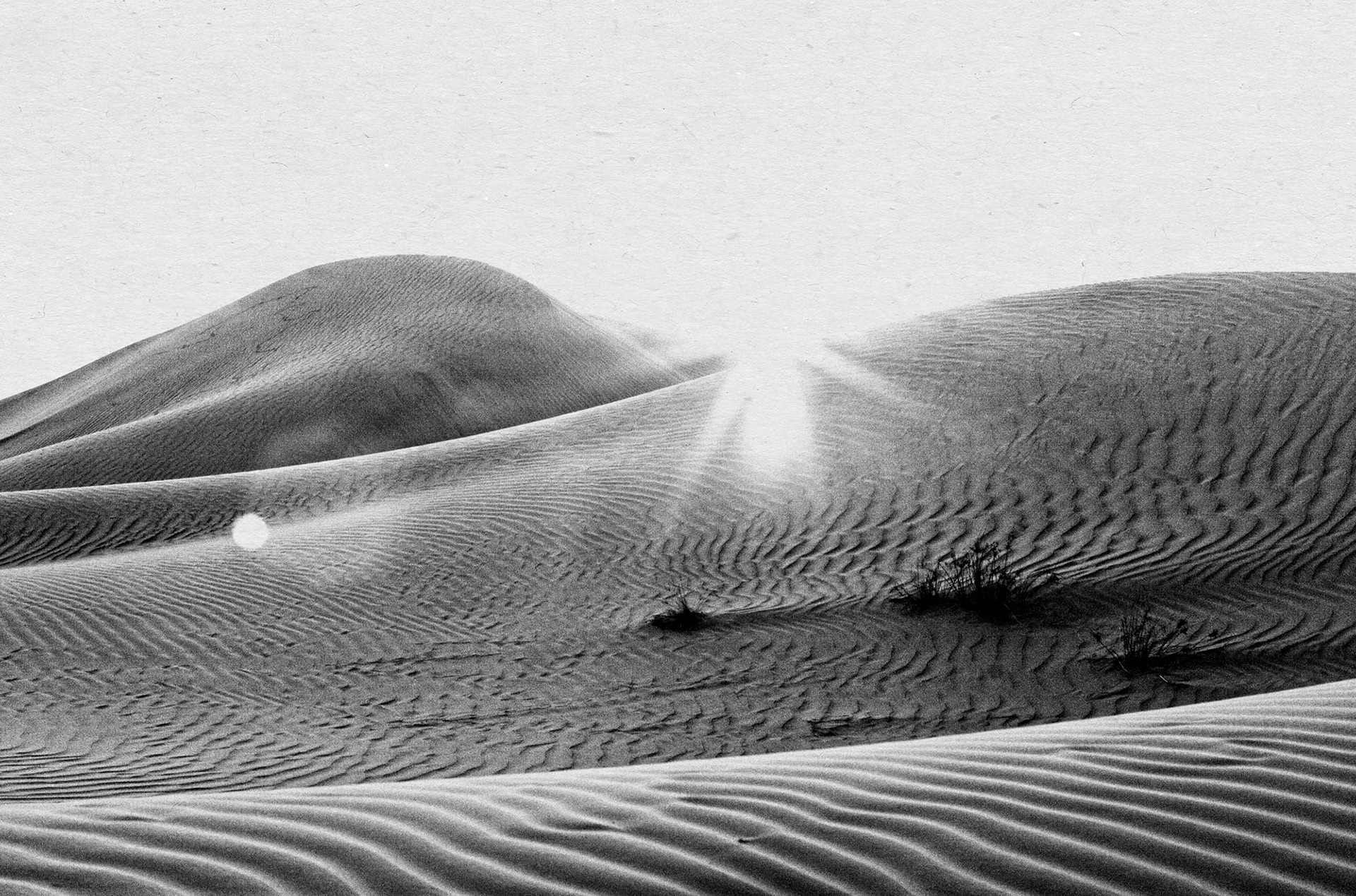
Fluid mechanics, the study of how fluids move and the forces that shape them, provides the material foundation for this series. Within these processes, matter behaves as a continuous medium, without fixed form, shaped by forces that move through it.
At the same time, the work engages with principles associated with chaos: systems defined by instability, sensitivity, and the interplay between order and disorder. Structure does not exist in advance; it emerges through these conditions, often unpredictably and only provisionally.
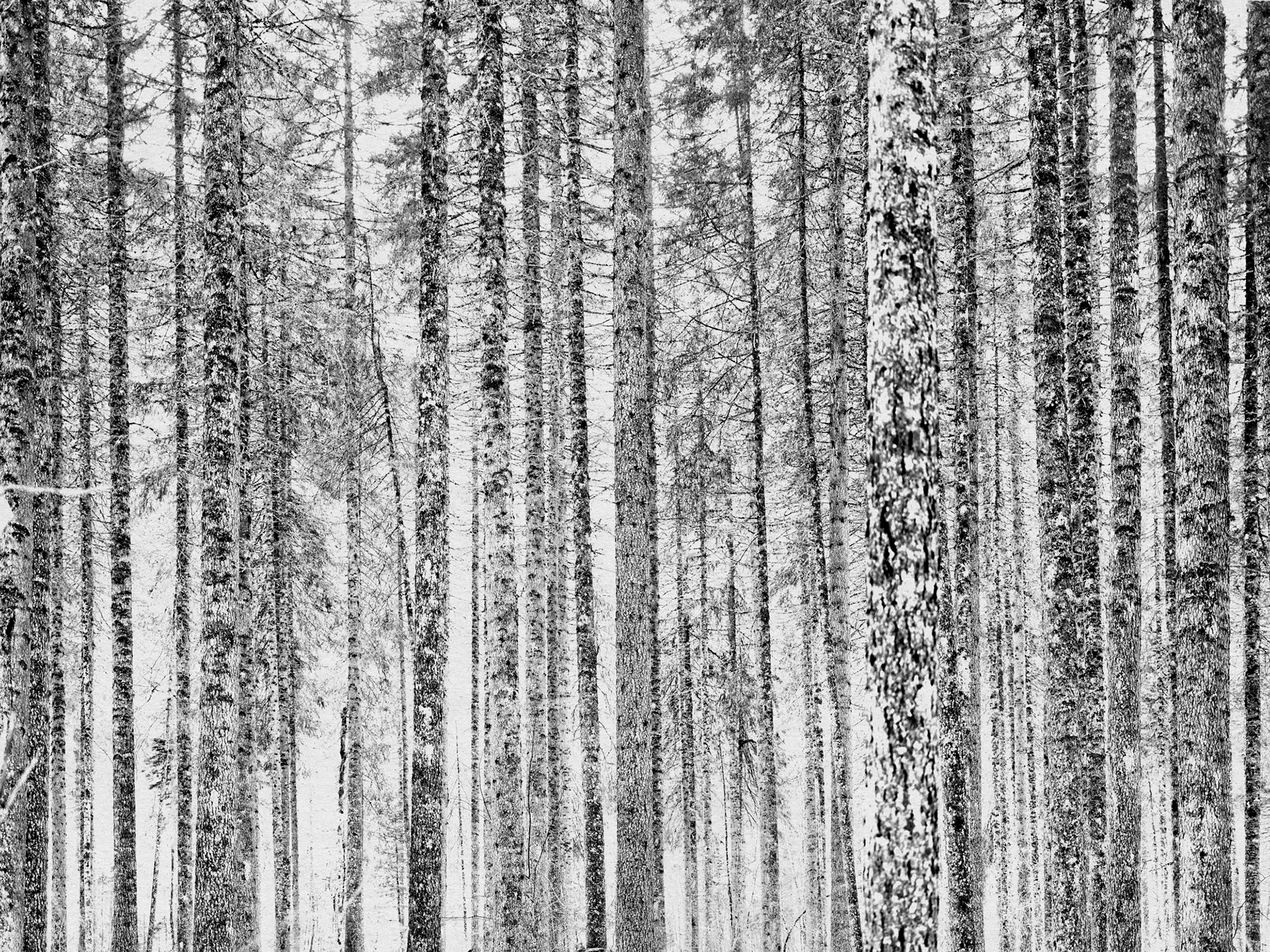
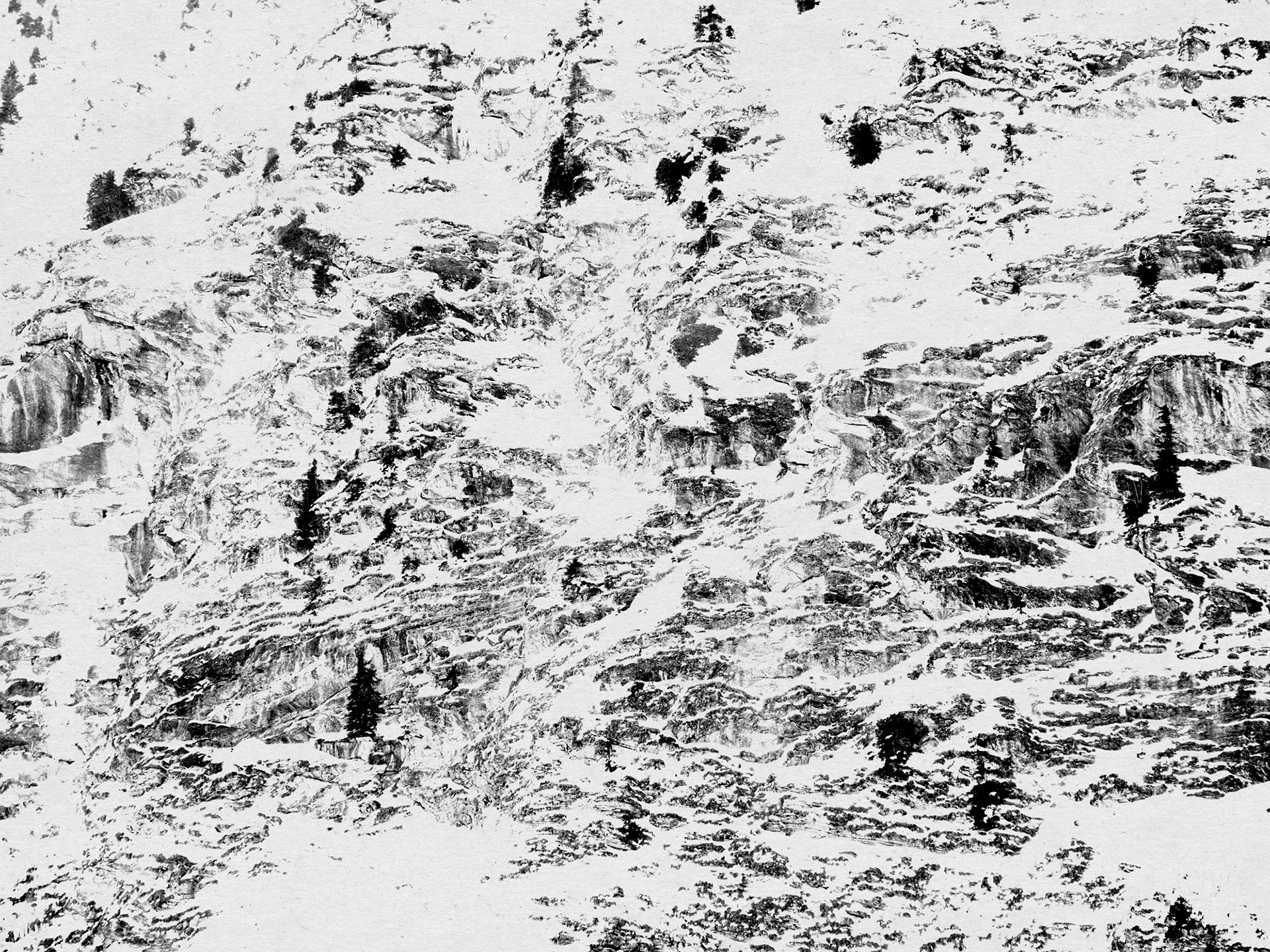
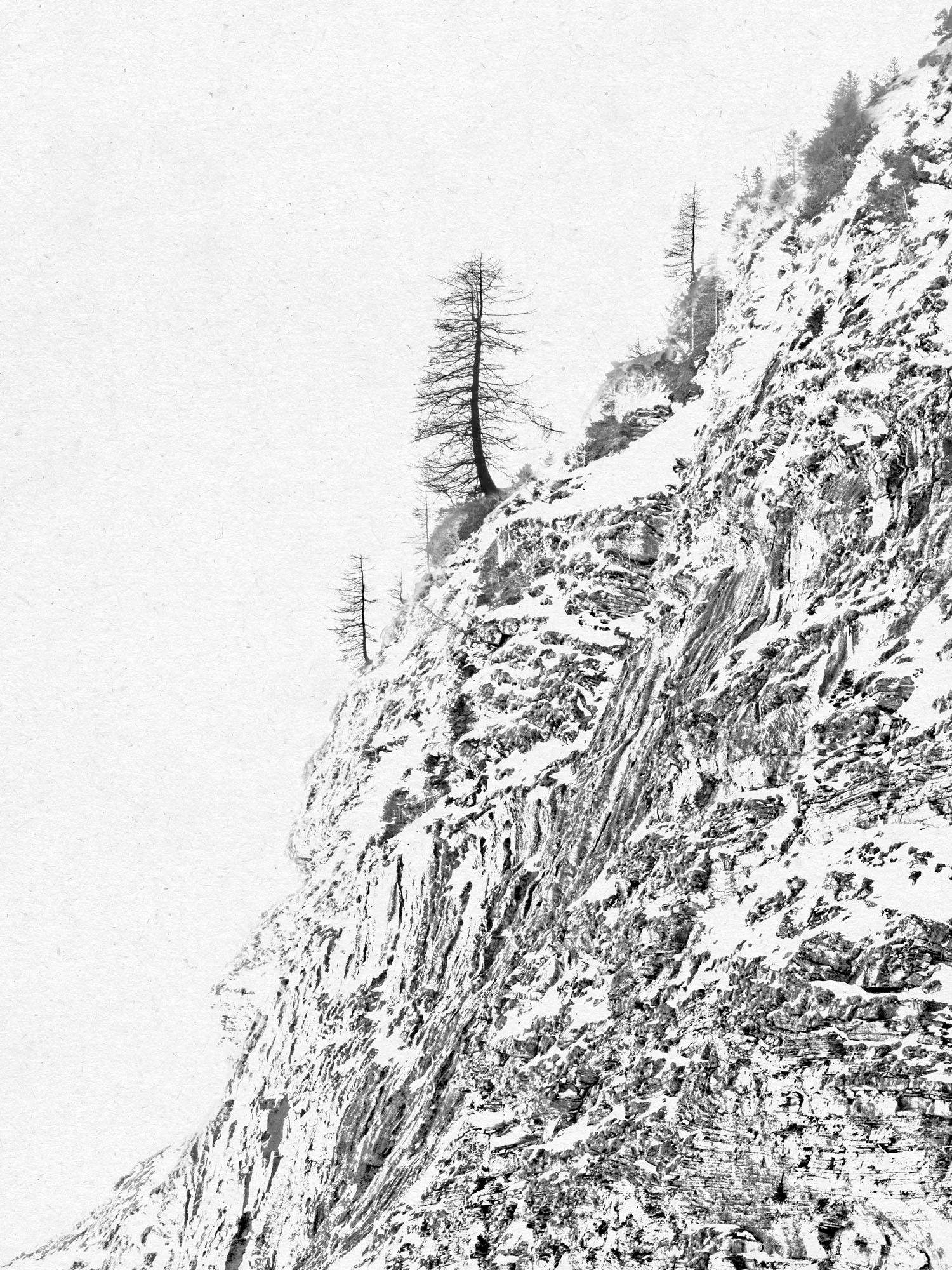
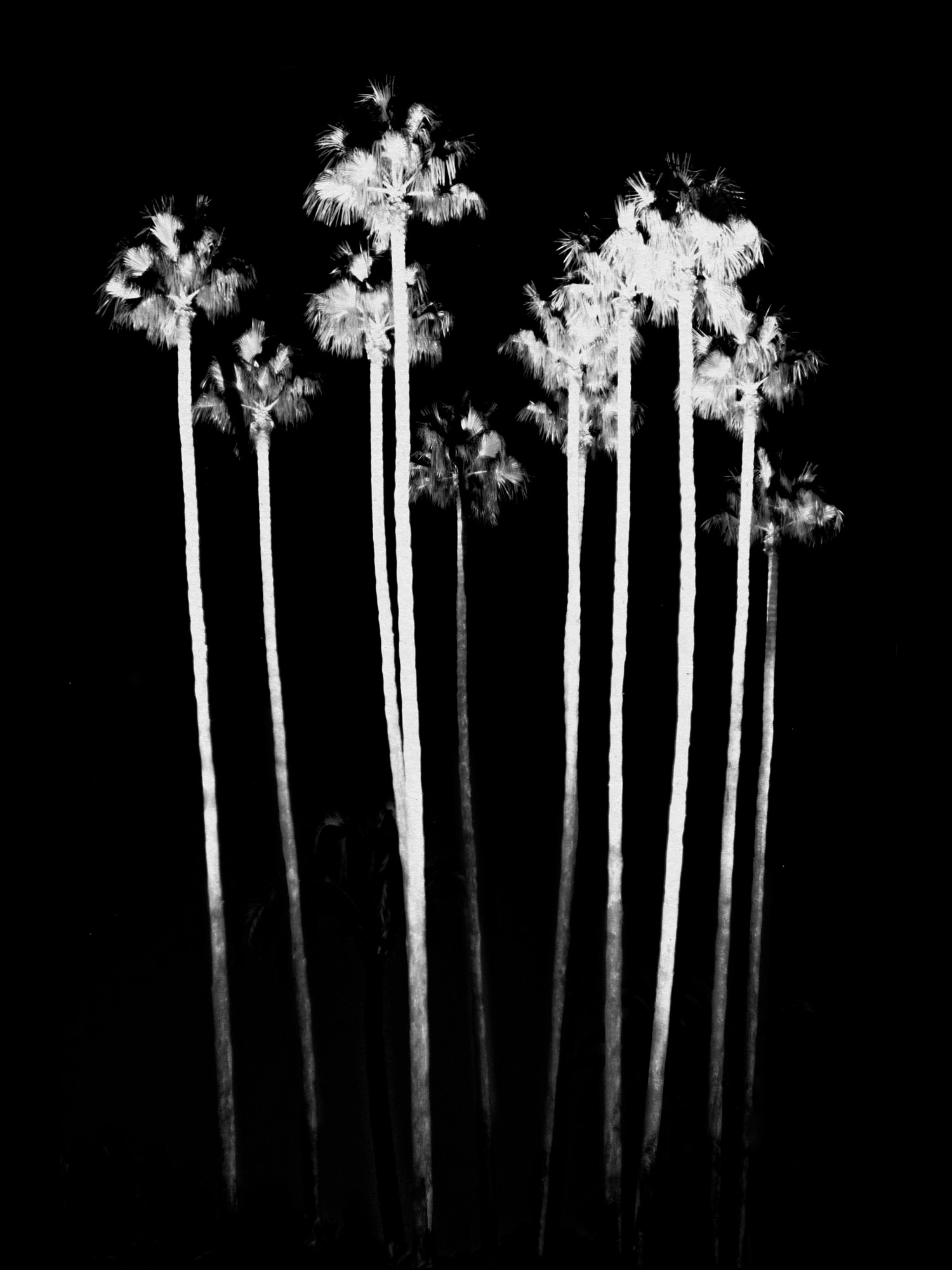
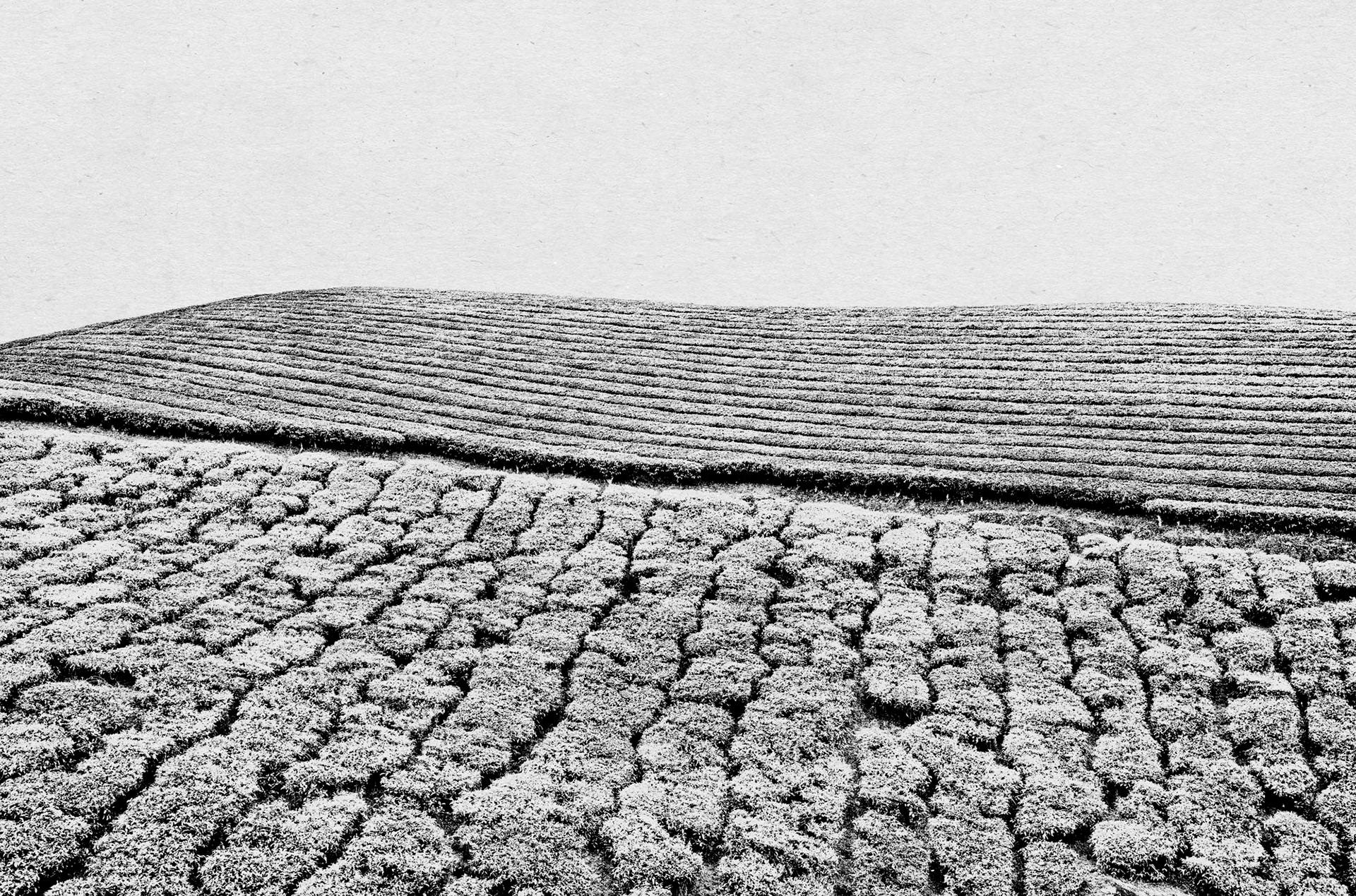
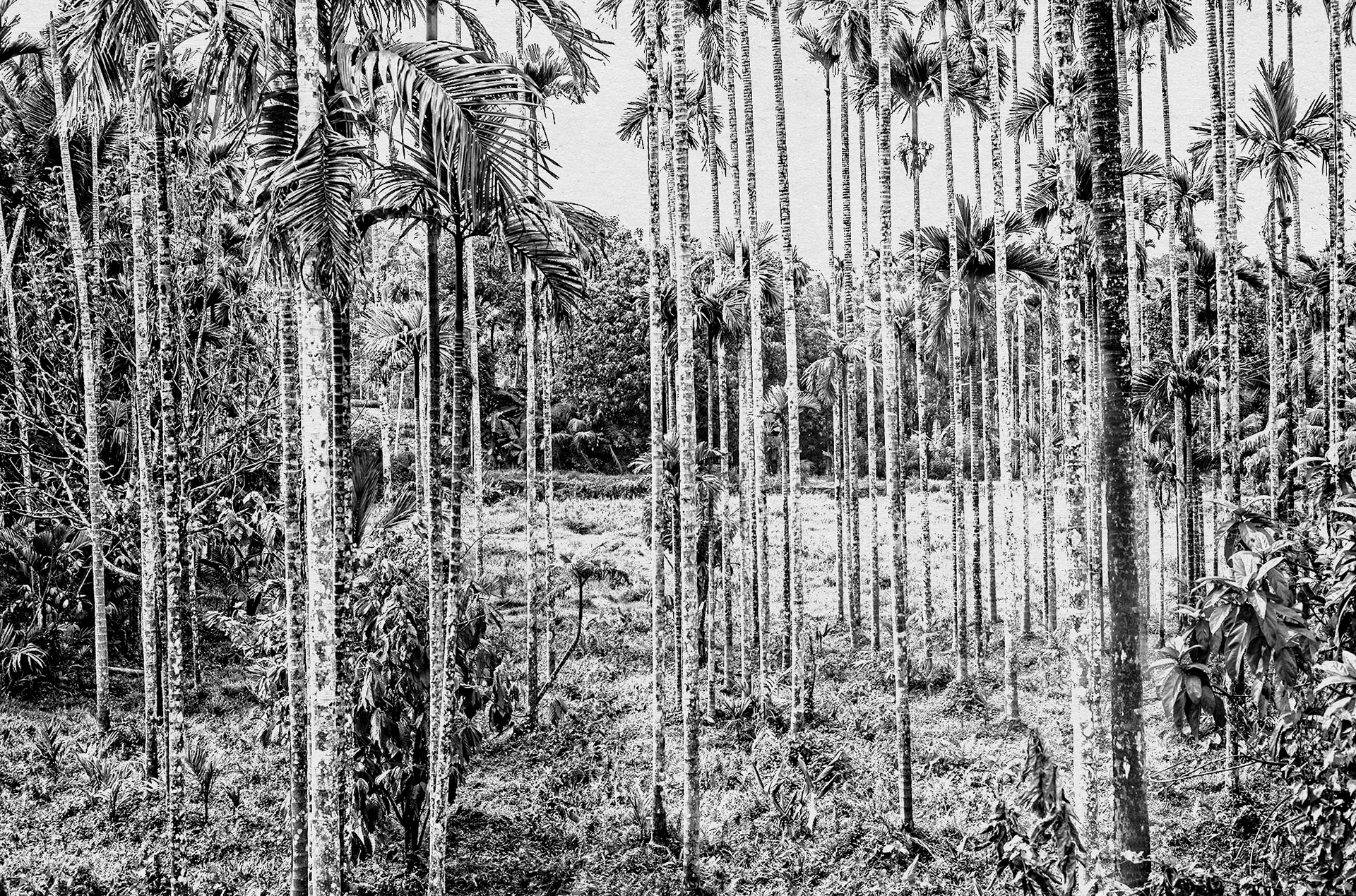
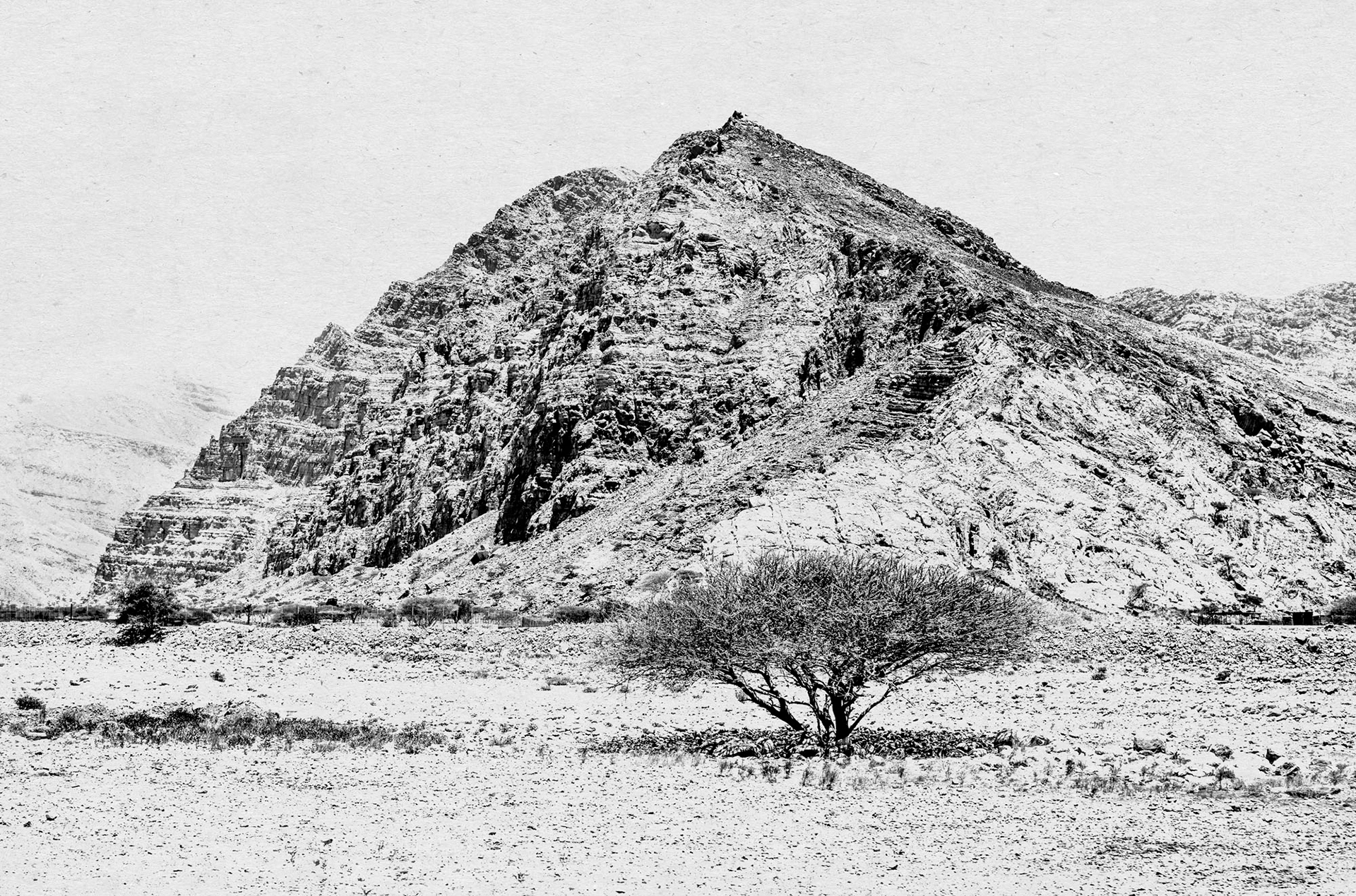
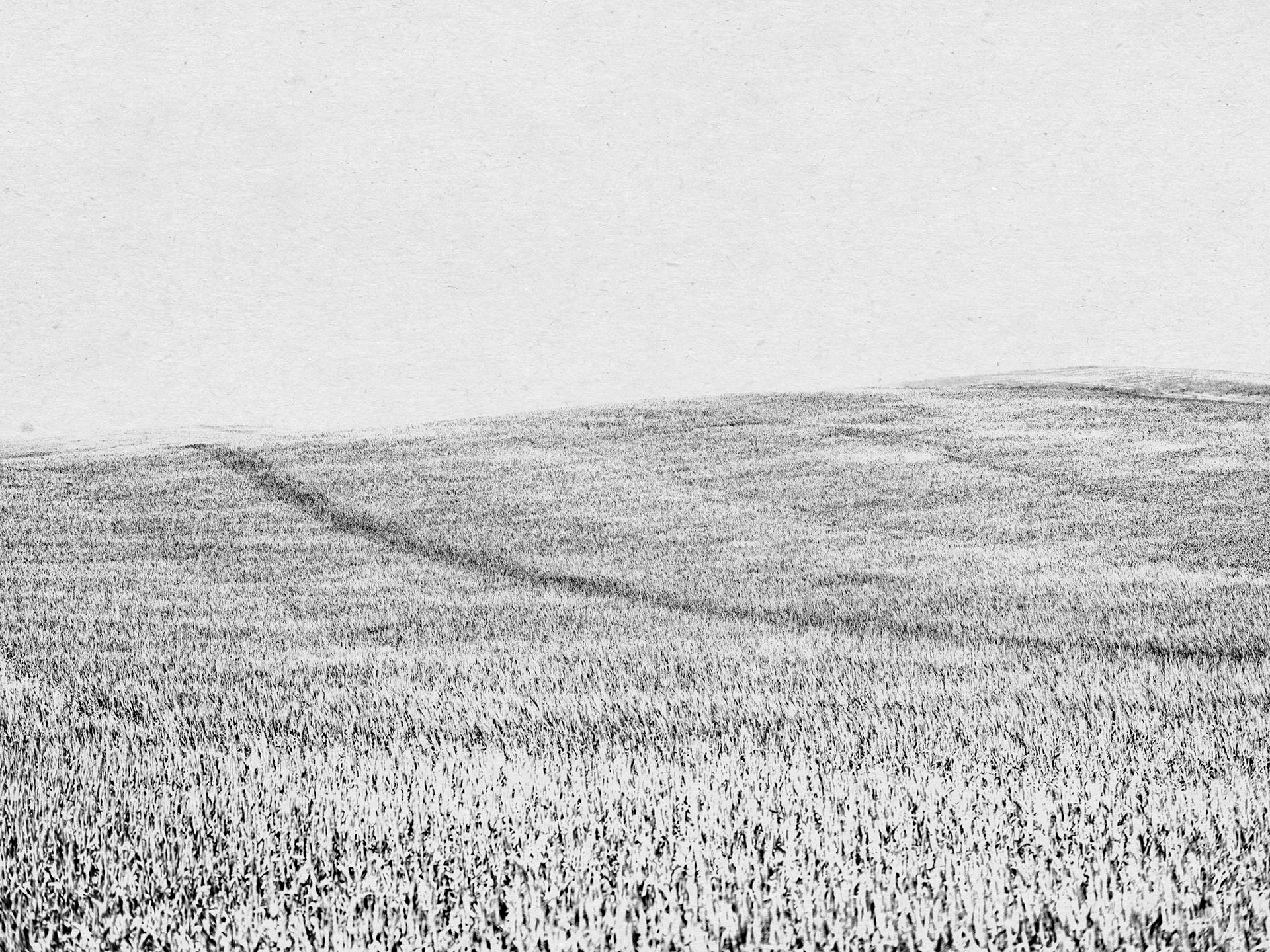
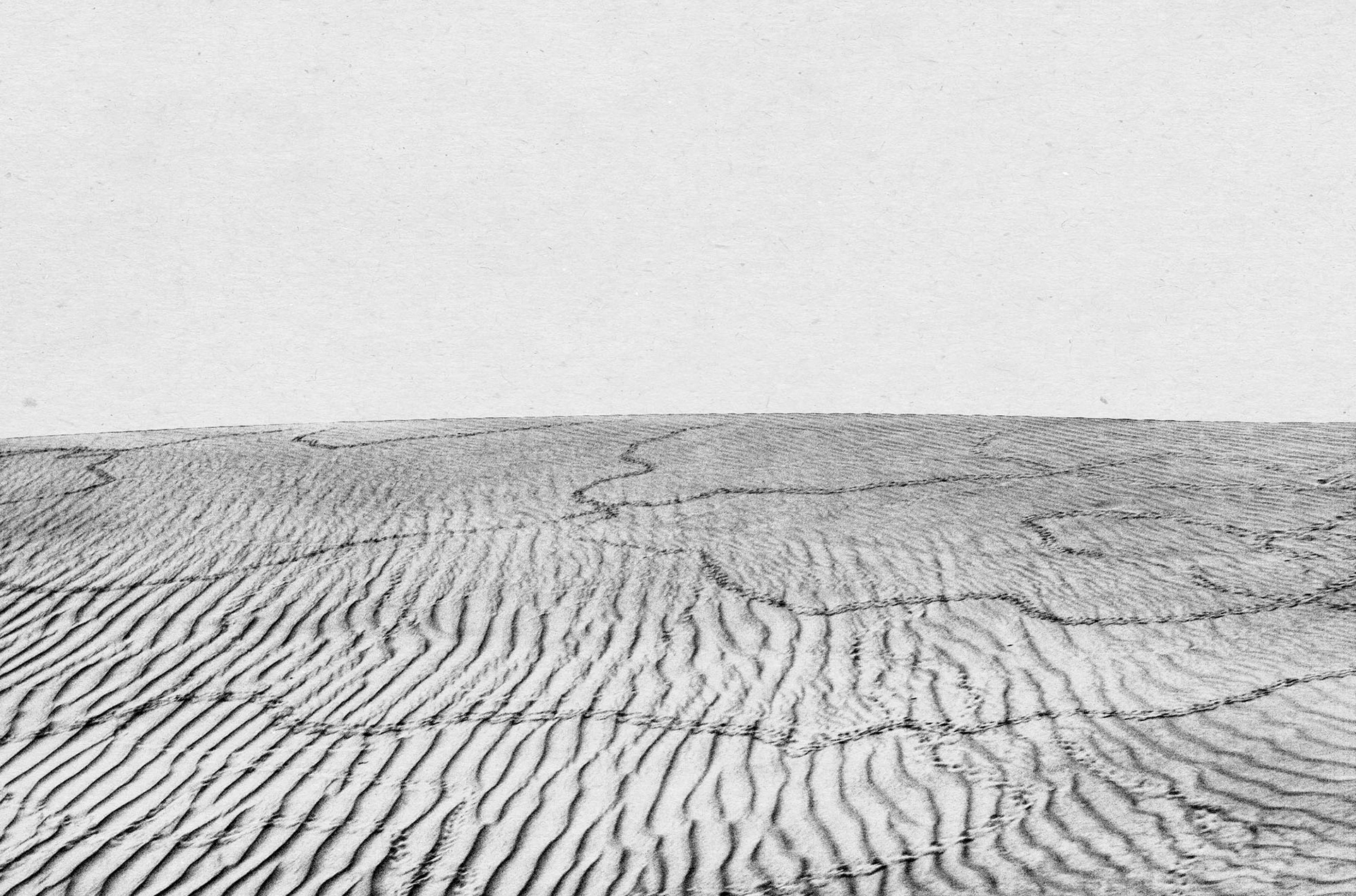
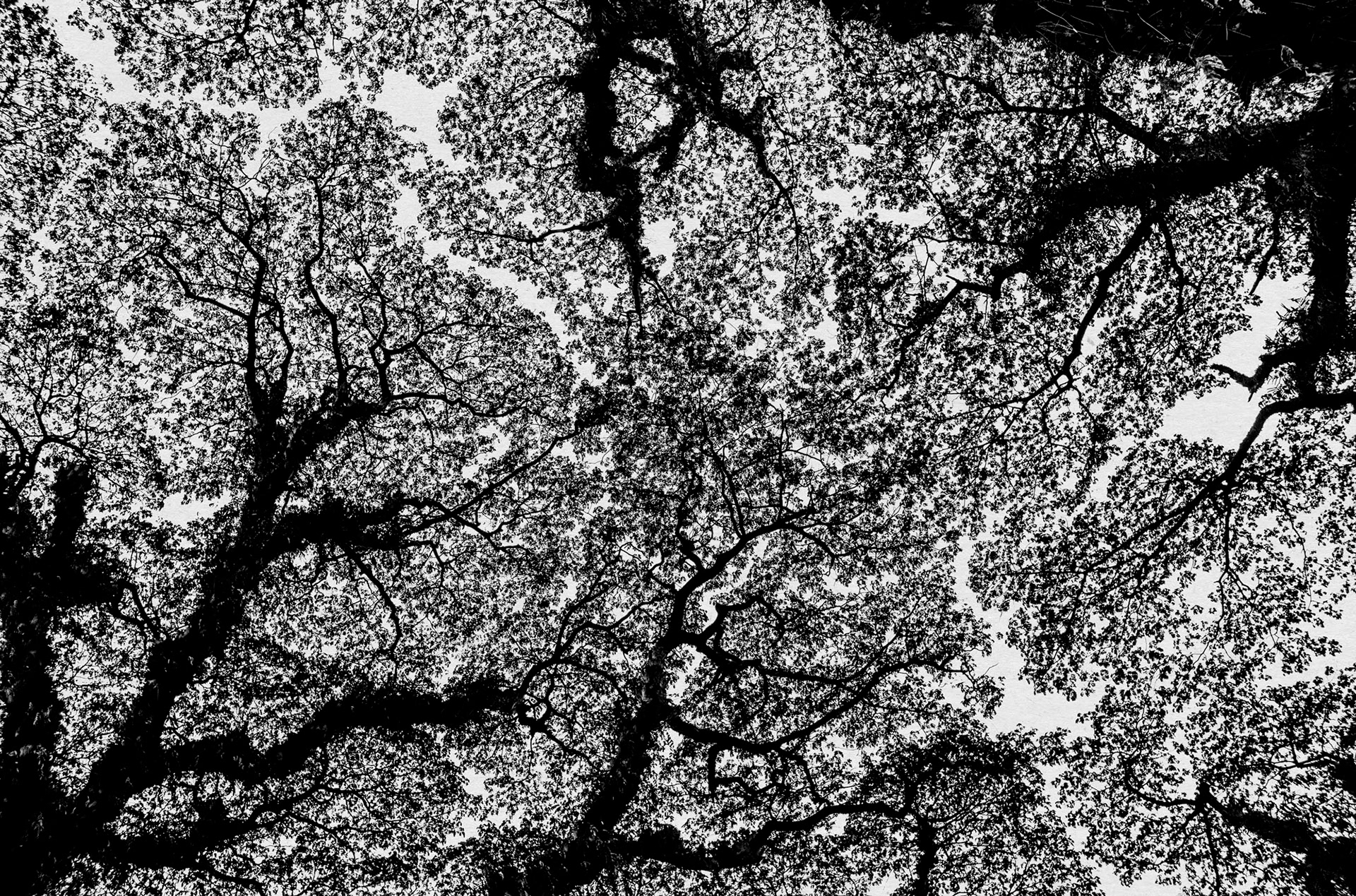
Across water, soil, vegetation, and cultivated landscapes, patterns arise where motion meets resistance, at the threshold between instability and equilibrium. Over time, these constraints give shape to matter, producing forms that carry an unintended, almost narrative quality—forms we recognize as landscape.
Rather than separating the natural from the human, the work situates them within a shared continuum. Order is not imposed but developed through interaction, contingency, and the behavior of physical systems. Human presence is withheld, registering only as a trace: in systems that reorganize under sustained pressure, and in structures that reveal shared principles across both physical and inhabited environments. The photographs are not conceived as representations of specific places or events, but as records of structure.
It is within this field of opposing forces— human intervention and the agency of natural processes—that Charles Ewing’s interest in landscape takes shape: not as a fixed image, but as the expression of an evolving system that also shapes our relationship to it.