PORTRAITURE
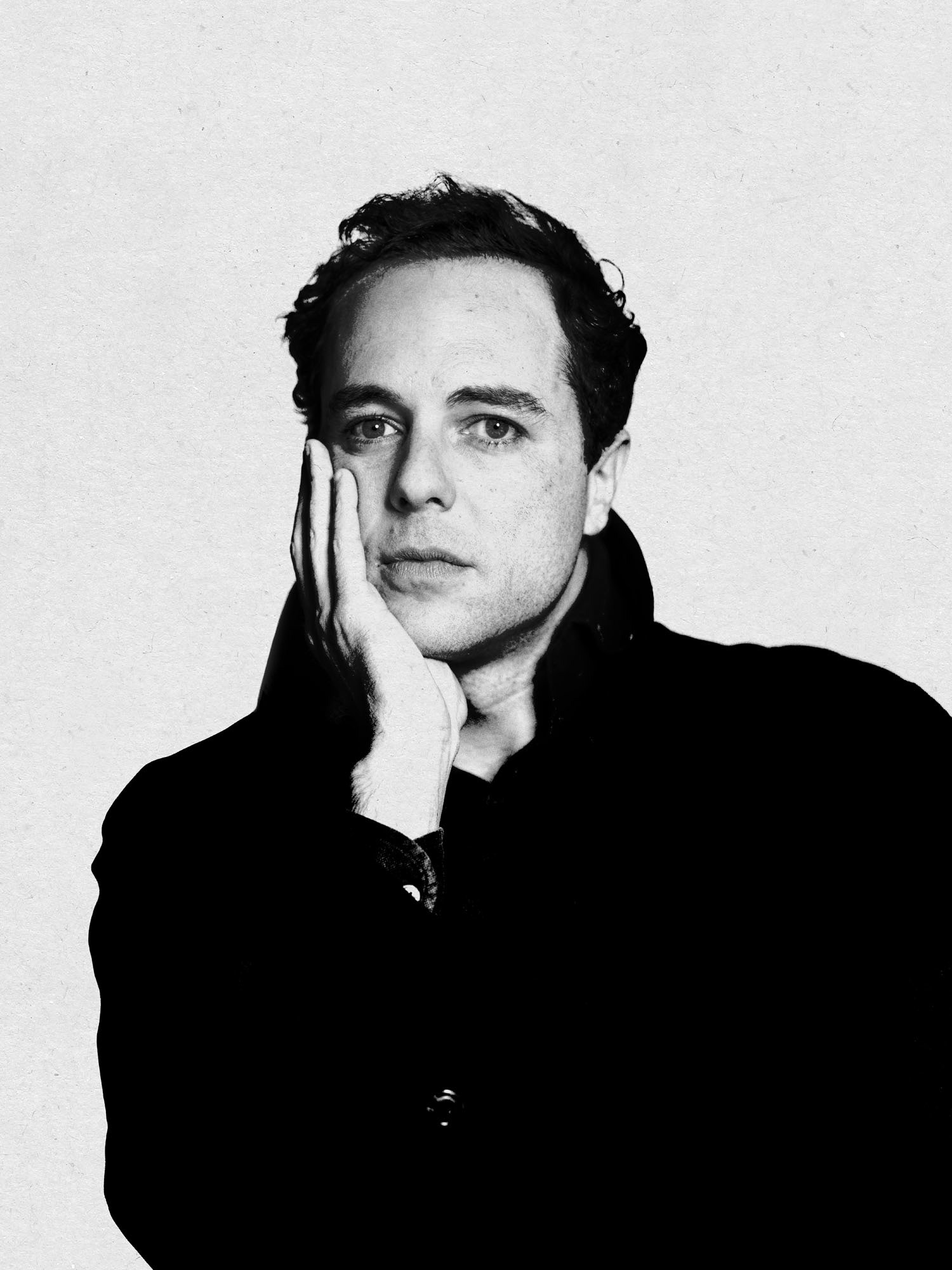
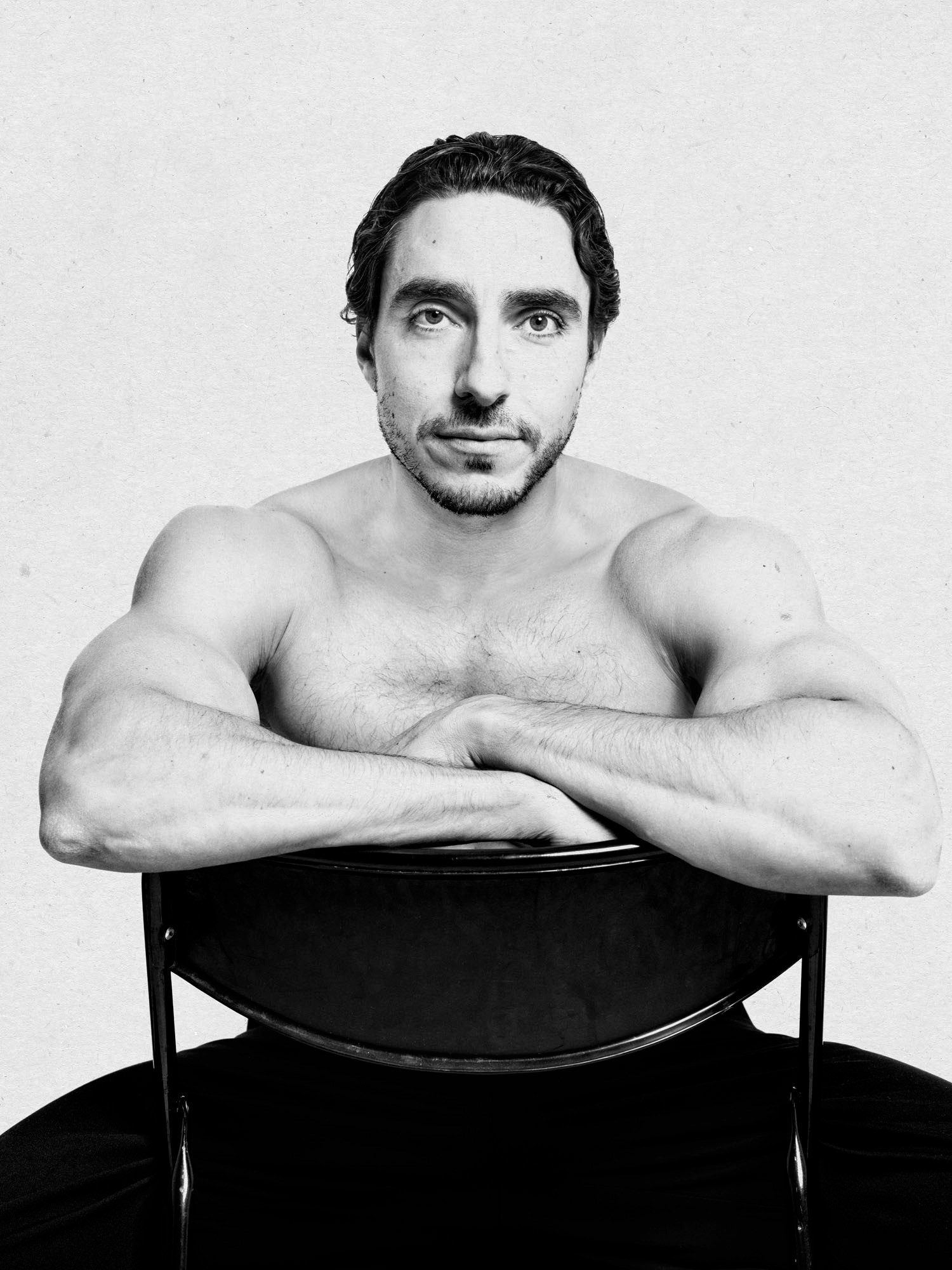
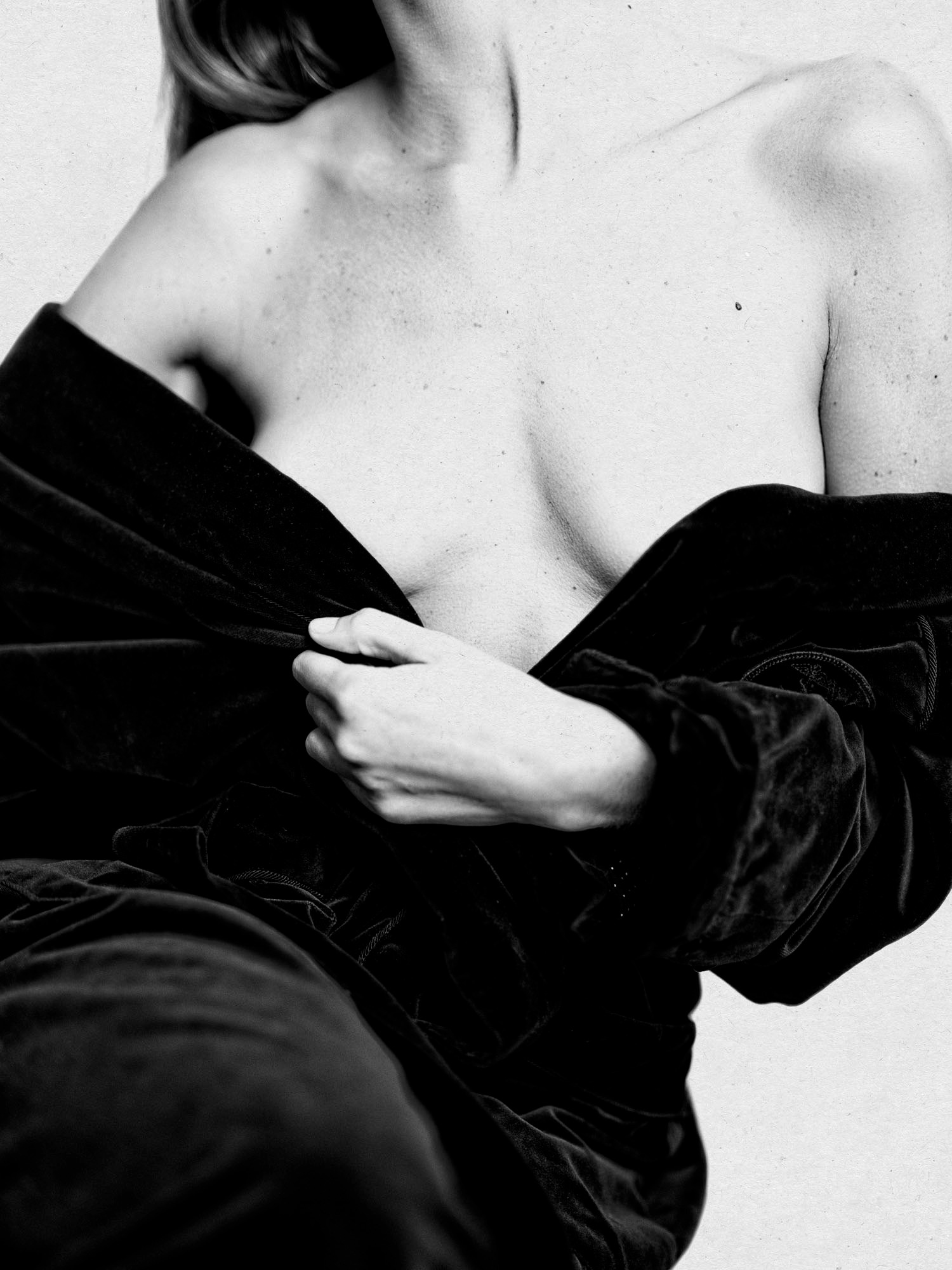
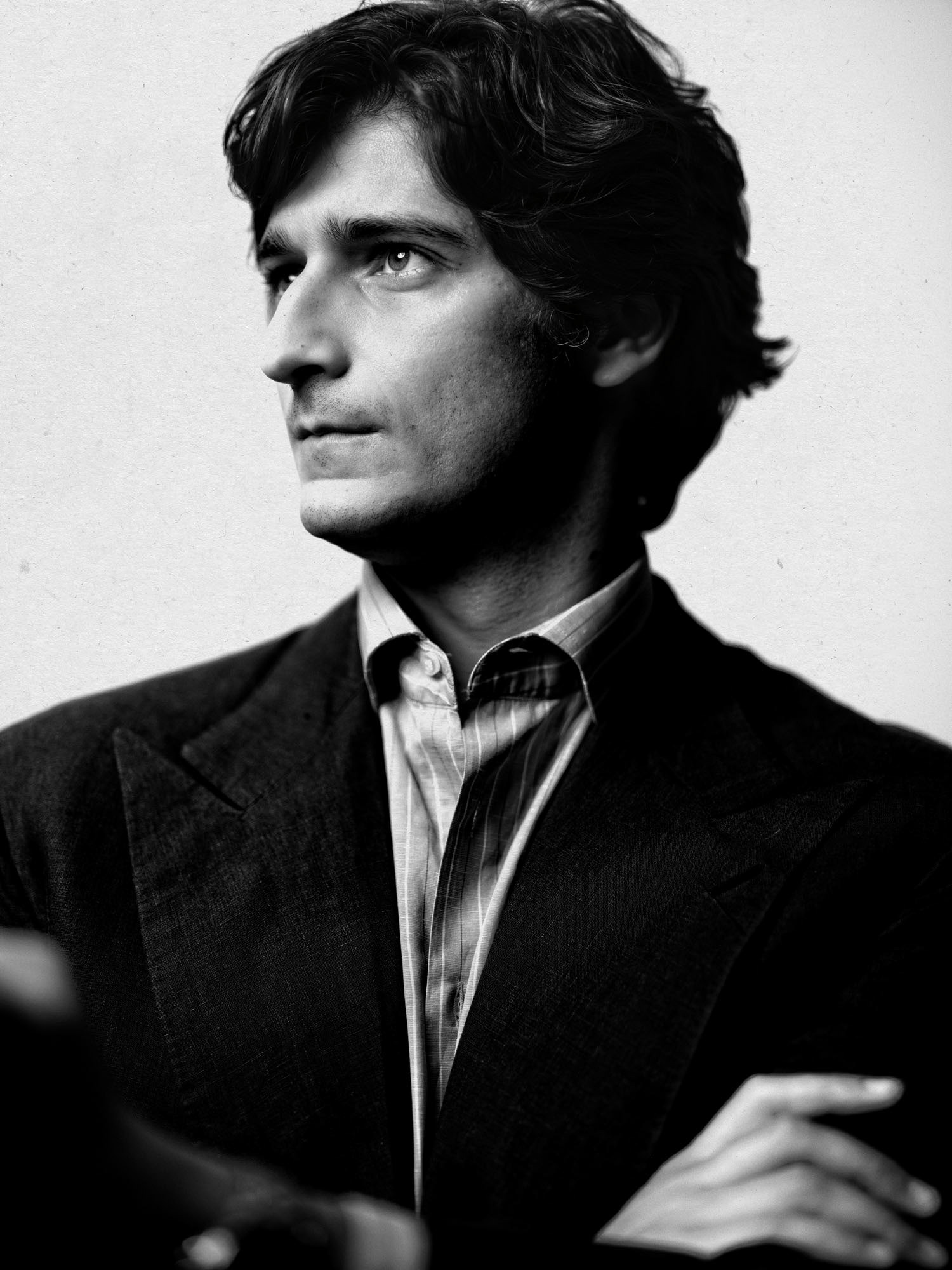
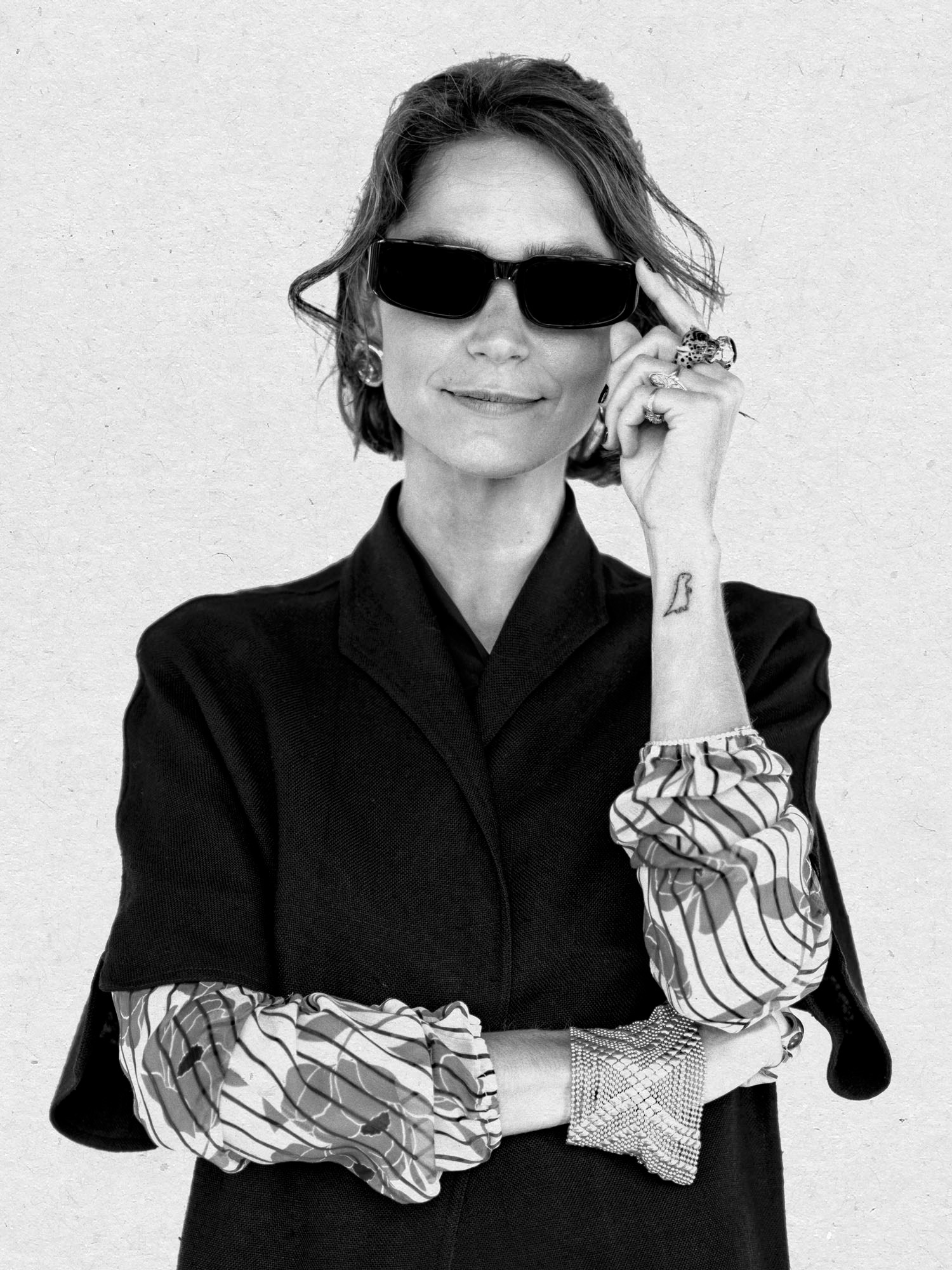
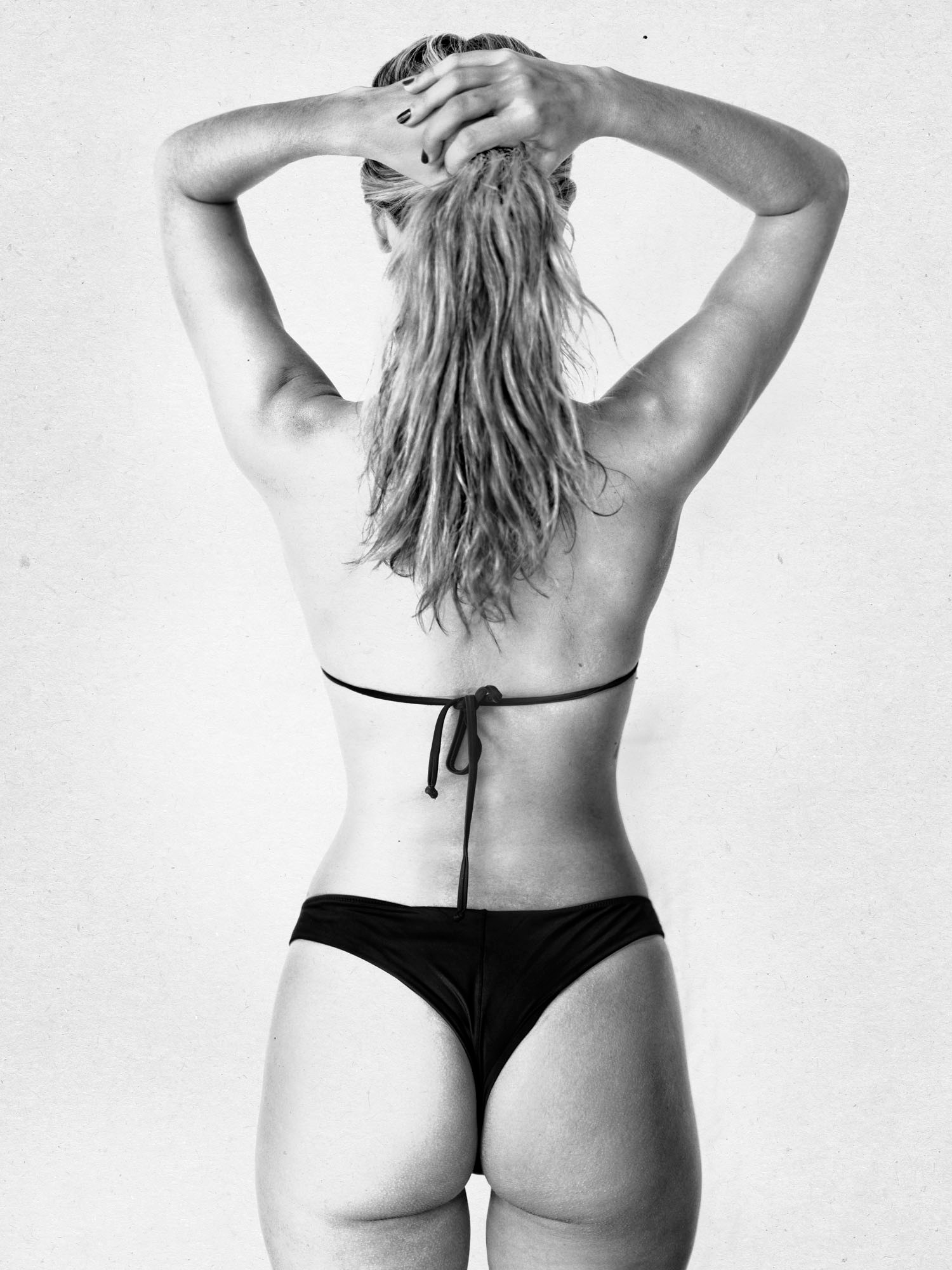
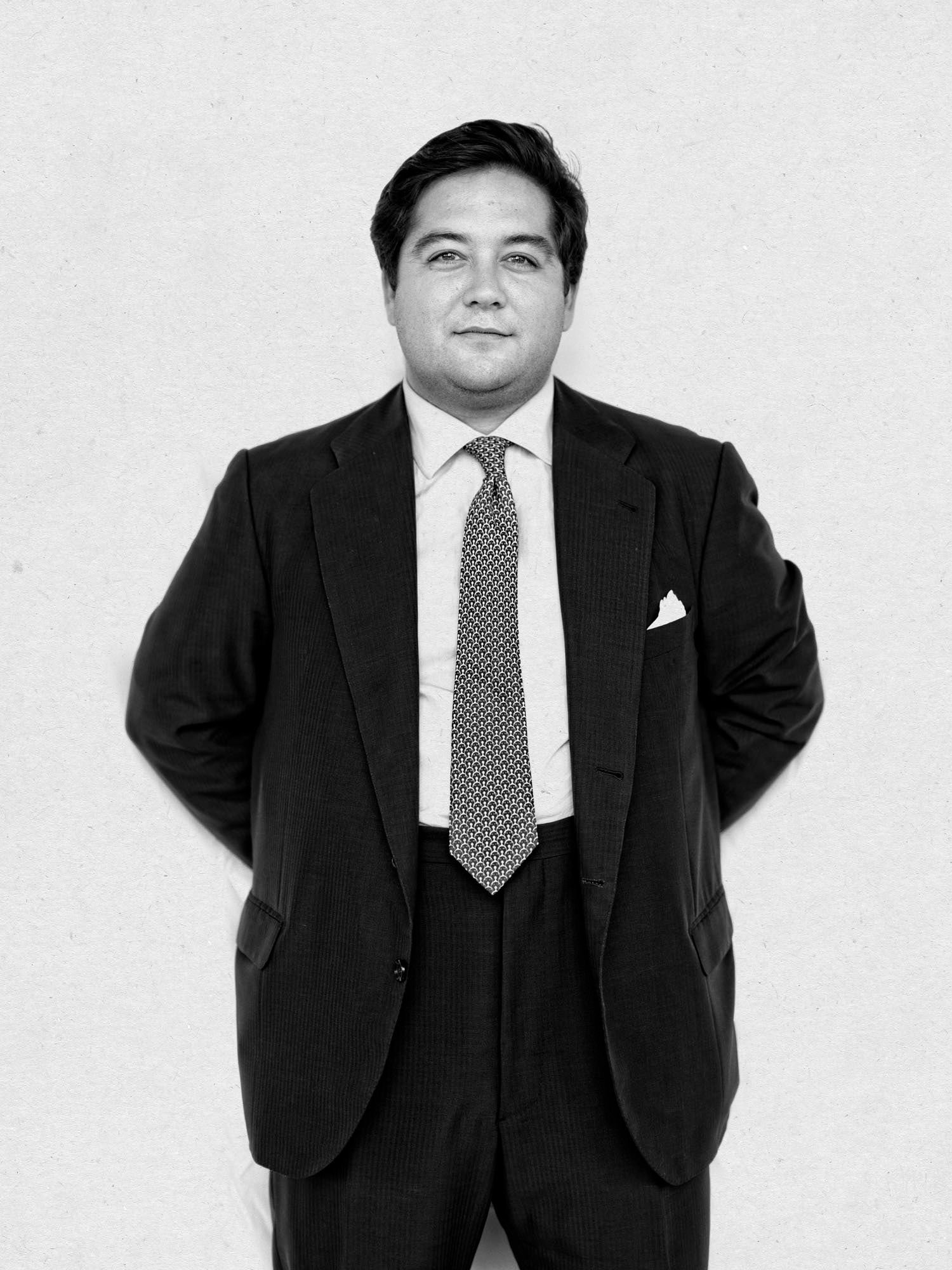
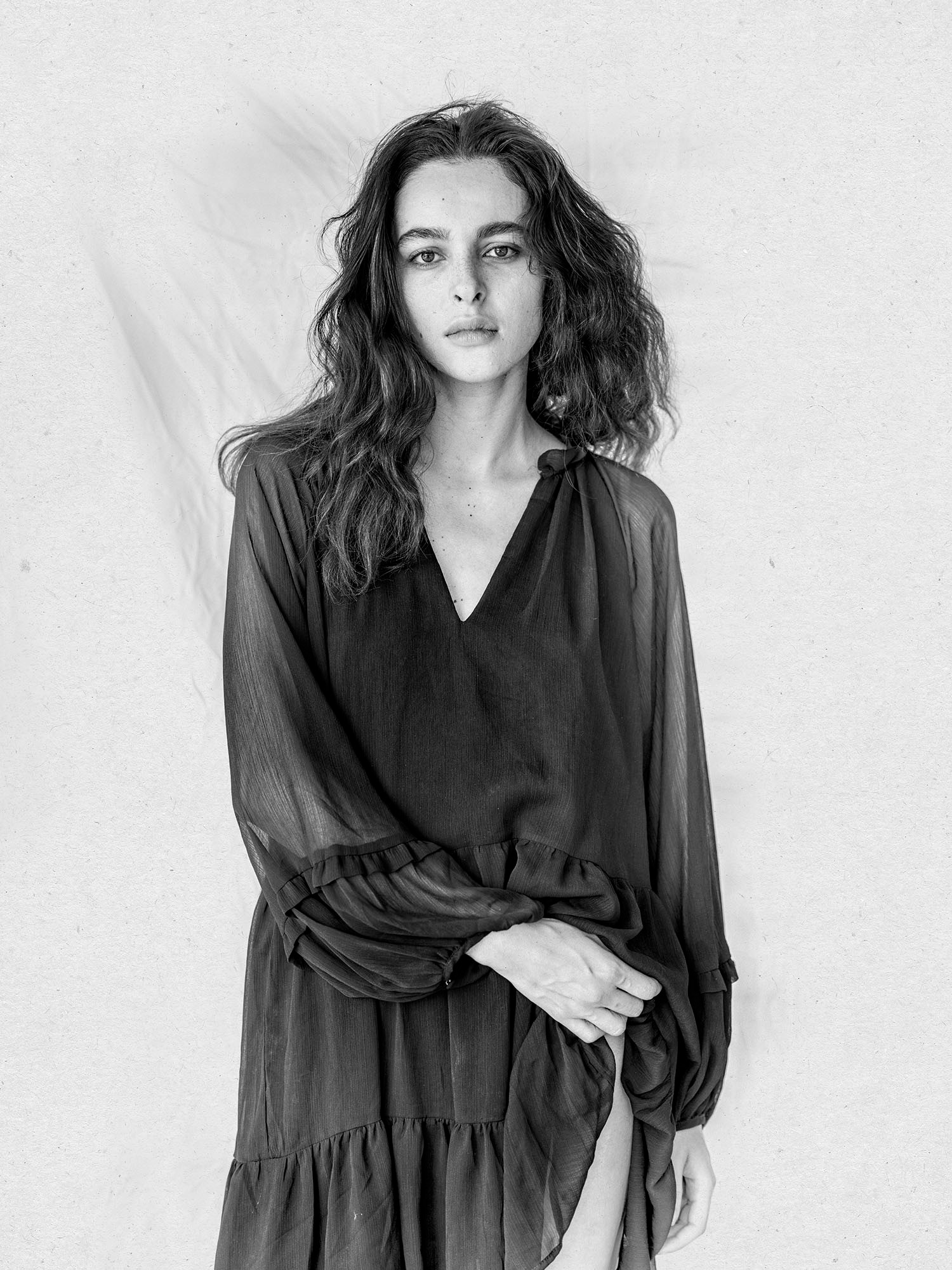
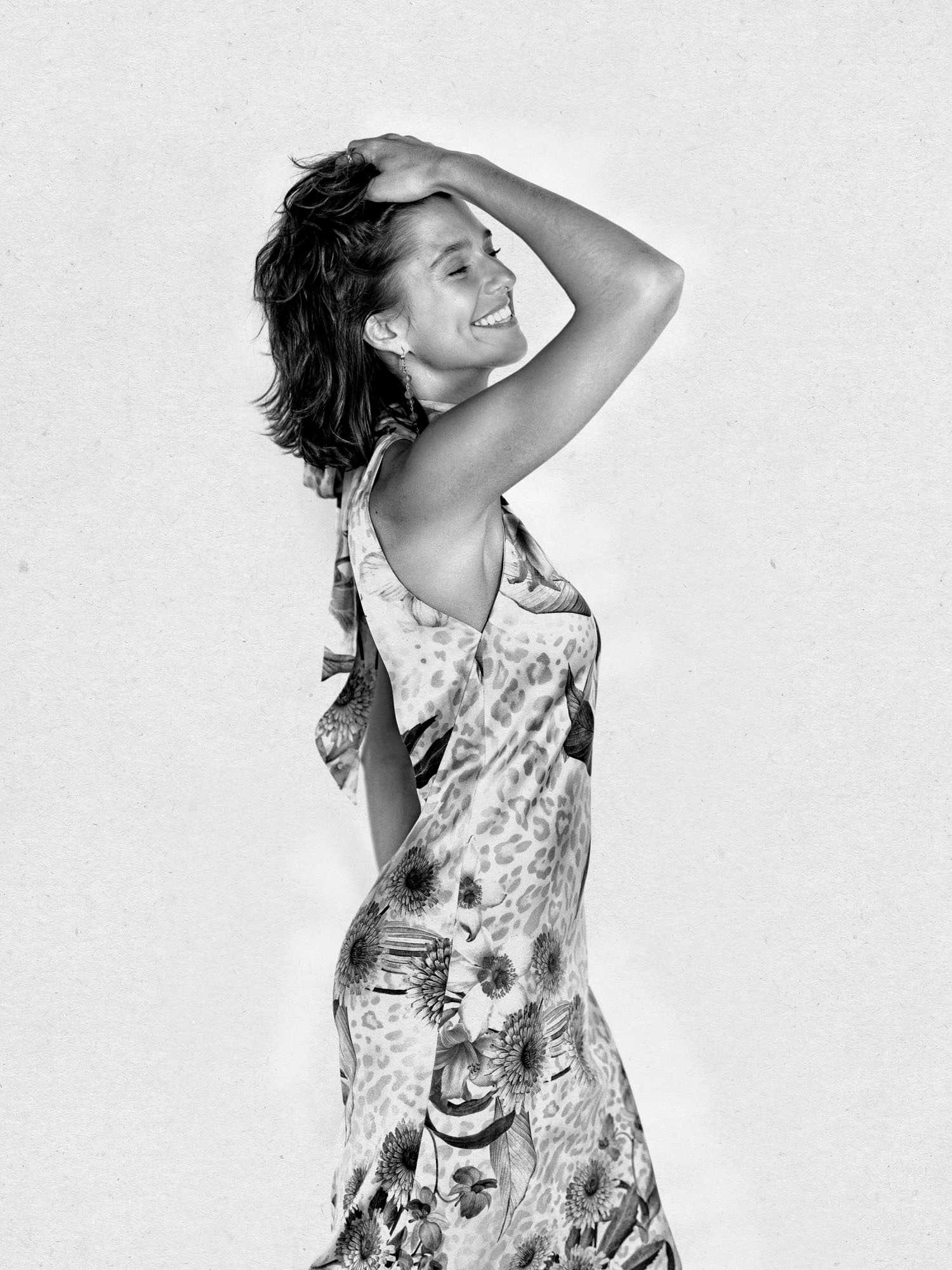
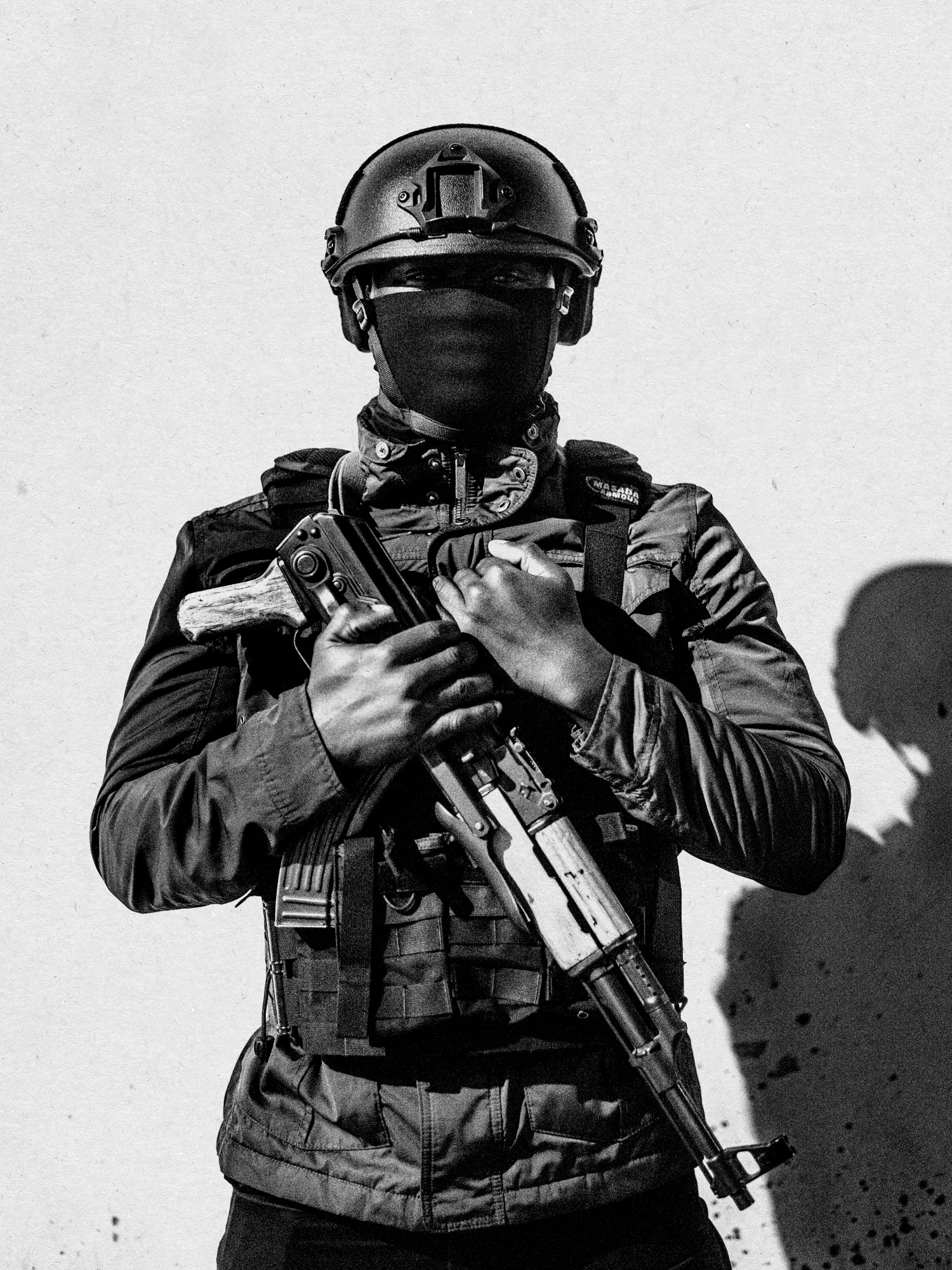
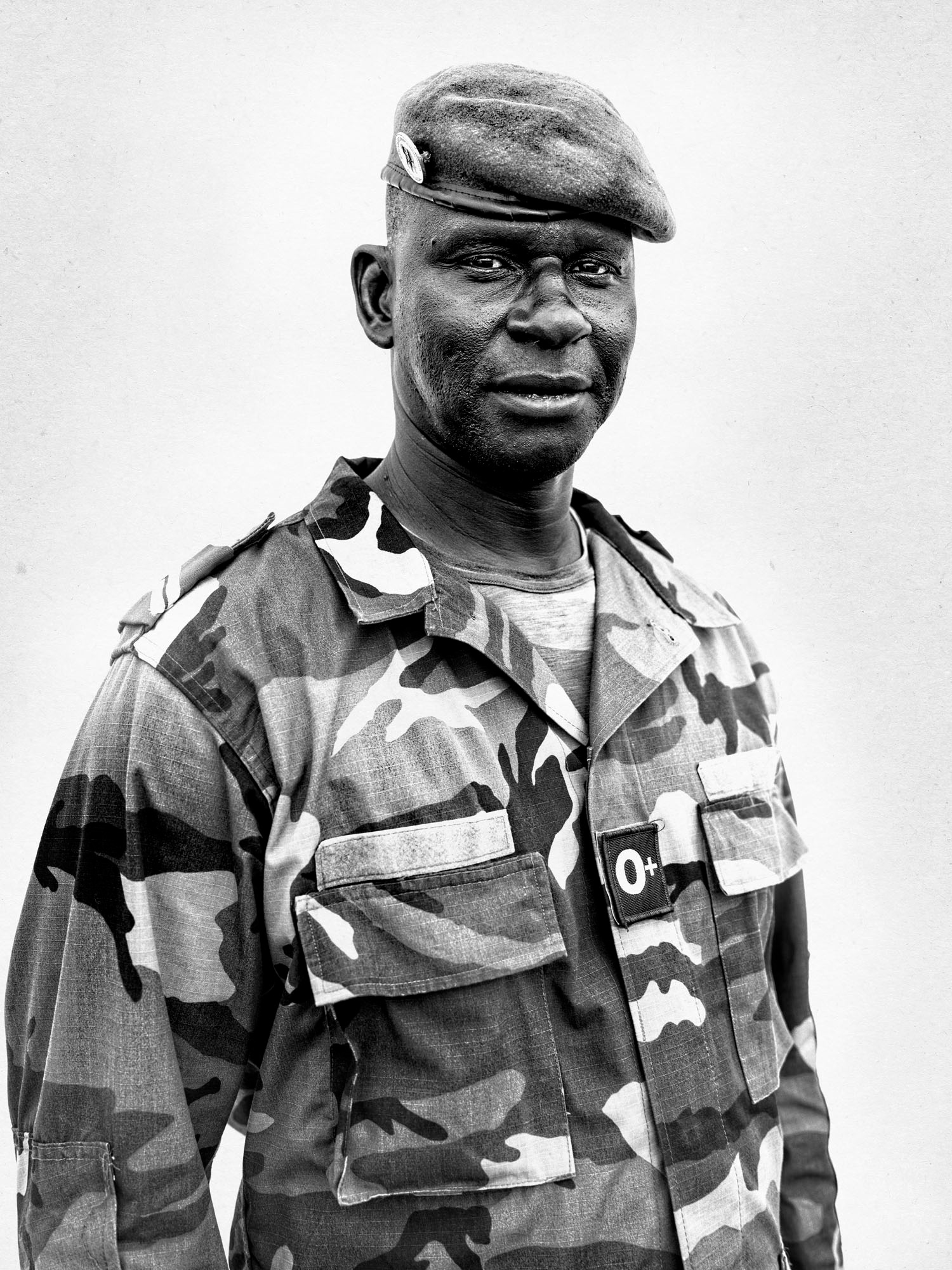
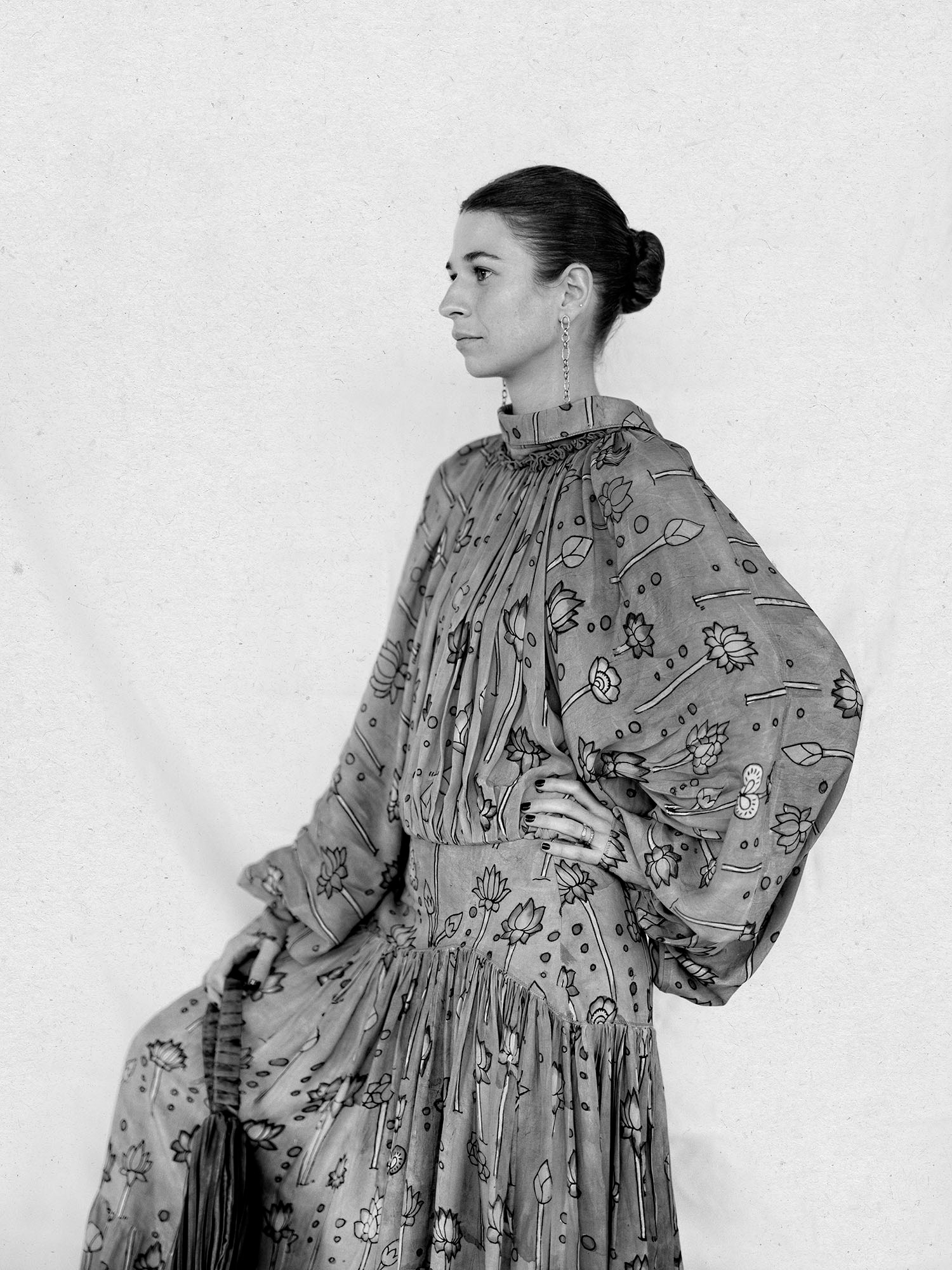
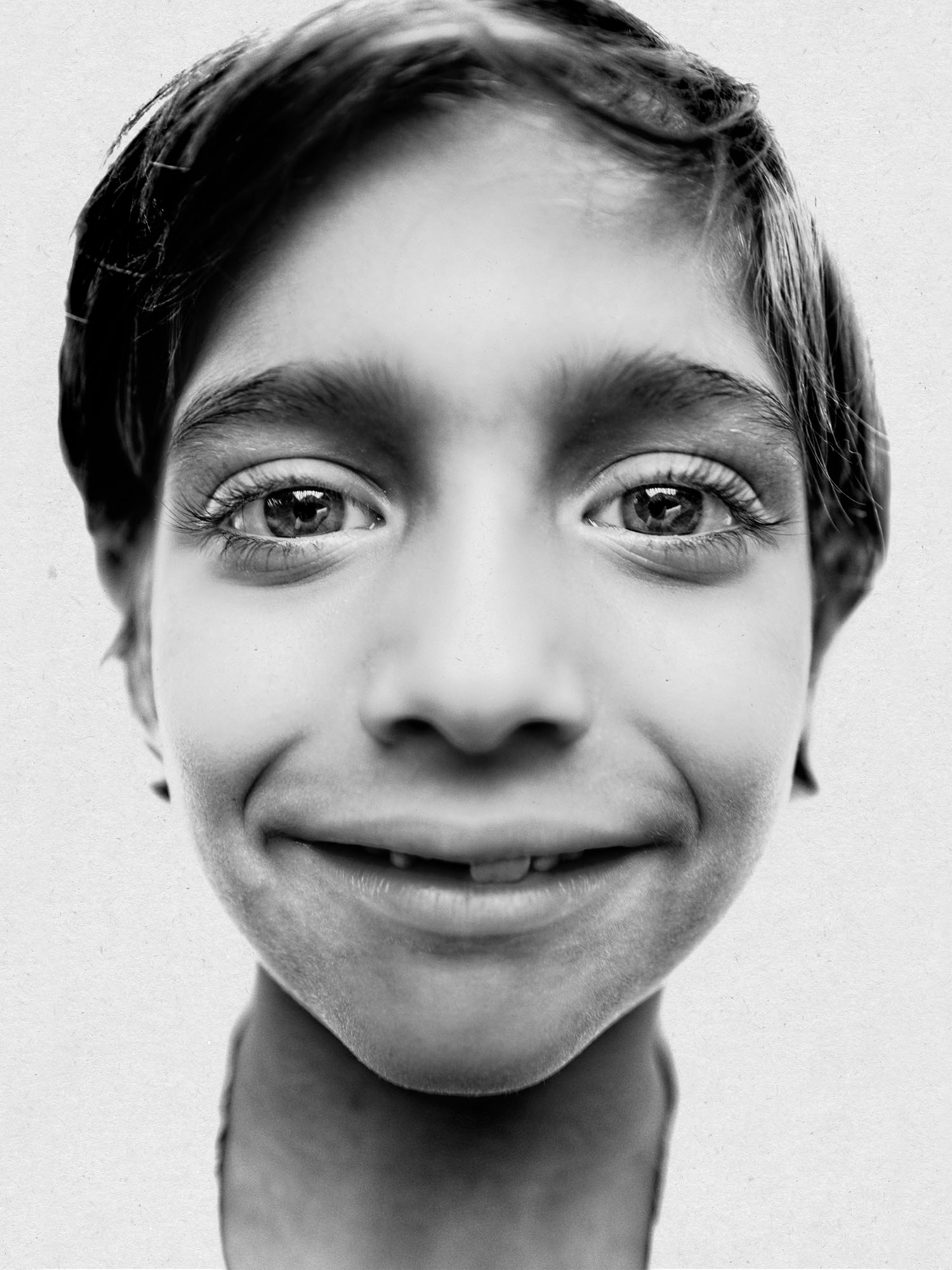
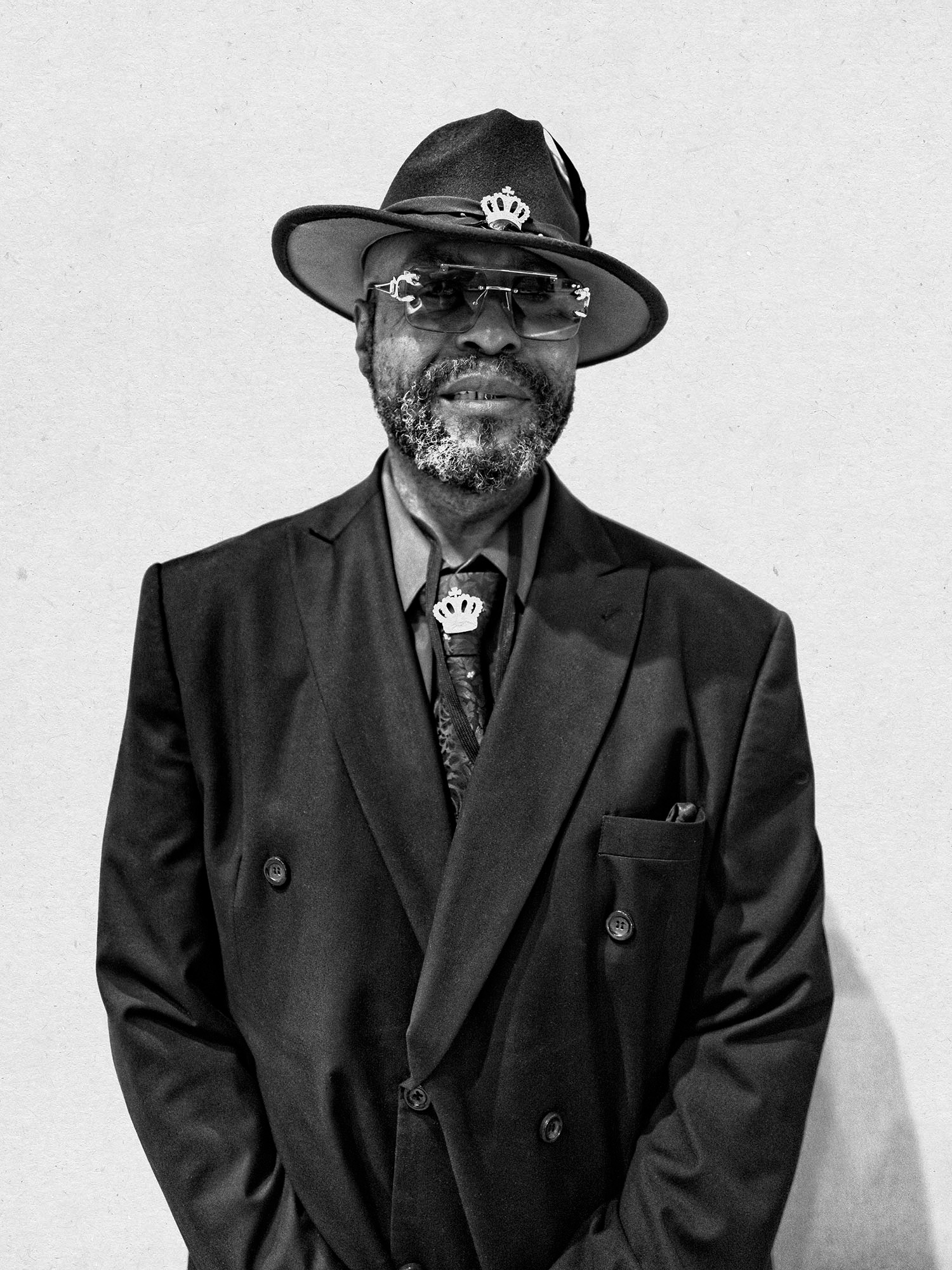
Charles Ewing’s portraits do not settle for physical likeness or aesthetic representation. Instead, they move beyond that tacit agreement around conventional beauty to attend to something more subtle: the emergence of a person through a gesture, a fleeting glance, or a nearly imperceptible detail in which a singular presence becomes momentarily legible.
What is at stake is not appearance, but recognition—an encounter in which identity is neither fixed nor performed, but briefly revealed. These portraits operate in that narrow interval where expression escapes control, and something more authentic comes into view.
The resulting images are marked by a disarming clarity, shaped by a form of attentiveness that is both precise and complicit. The camera does not impose distance; it establishes a space for exchange, allowing for a direct and unguarded relationship with the subject.